Divergent and Unequal Development in Latin America: Causes and Policy Challenges
Abstract
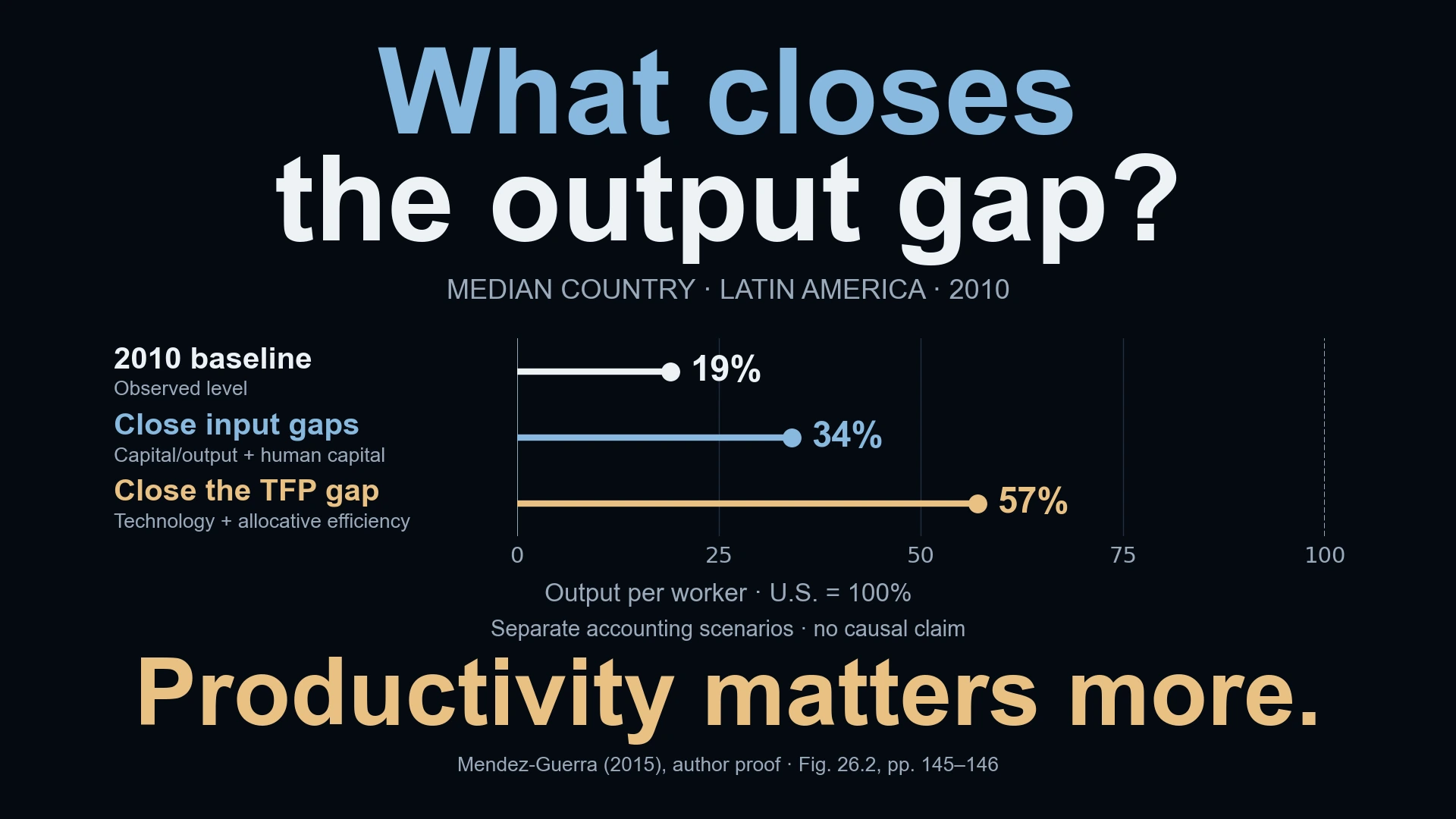
This chapter first evaluates the proximate and deeper determinants of the socioeconomic performance of Latin America over the long run. Then, it points to four policy areas where progress is still needed. At a proximate level, a production accounting exercise suggests that it is not the lack of productive factors, but the way they are utilized and allocated across sectors what holds down the relative income of the region. At a more deeper level, the findings from the recent political economy of growth literature suggest that extractive institutions, which have characterized the region since its independence, drive both low accumulation of productive factors and their inefficient use. Looking ahead, further policy action should aim to enhance counter-cyclical economic capacity, promote regional integration, reduce logistics costs associated with international trade, minimize the misallocation effects of some well intended social policies, and sustainably reduce income inequality.

Carlos Mendez
Associate Professor of Development Economics
My research interests focus on the integration of development economics, spatial data science, and econometrics to better understand and inform the process of sustainable development across regions.